Family rights in Islam are weighty, but they are not slogans. Mercy, responsibility, consent, financial duties and boundaries all need to be read together instead of using one text to dominate every family situation.
This page keeps the original search intent but changes the standard: evidence first, clear explanation second, practical application third. Where the old version made a claim that could not be defended confidently, it has been removed rather than cosmetically reworded.
Primary references
- Qur’an 66:6 on responsibility for oneself and one’s family
- Qur’an 31:13–19: Luqman’s counsel to his son
- Sahih al-Bukhari 7138 on each person being responsible for those under their care
Drop the old personality taxonomy
The original “five types” framing was not a recognised Islamic classification. Children should not be placed into religious boxes that the Qur’an and Sunnah did not create.
Parenting is an amanah
Parents are responsible for nurture, safety, religious teaching and material care. That responsibility is exercised with mercy and age-appropriate expectations.
Children are not projects for parental status
A child’s Qur’an memorisation, grades or public behaviour should not become material for parental competition. The aim is a sound relationship with Allah and healthy character.
Correction needs proportion
Boundaries matter, but humiliation, frightening religious language and constant comparison can damage the very love of worship parents are trying to build.
Putting the teaching into context
Teach through repetition and example
Children usually learn worship through routines they can see and repeat. Short explanations, praying together, giving small amounts of charity and involving them in Ramadan preparation can build familiarity without turning every lesson into a lecture.
Match the lesson to the child
A young child may only need the name and simple meaning of a pillar. An older child can discuss obligation, intention and the wisdom behind worship. Teaching too much detail too early can create confusion, while never progressing beyond slogans leaves the child without understanding.
Do not use fear as the whole curriculum
Islam includes accountability, but a child’s first religious vocabulary should also contain Allah’s mercy, gratitude, love of worship and the beauty of good character. Discipline has a place, yet constant threats can make religion feel like a source of anxiety rather than guidance.
Practical application
Connect each pillar to something the child can see
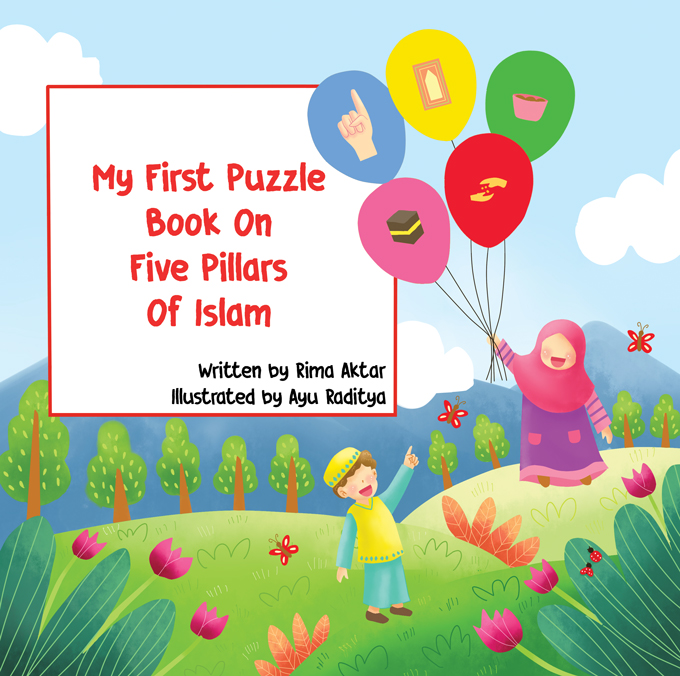
Shahadah can be connected to why Muslims worship Allah alone. Salah can be connected to the family prayer timetable. Zakah can be connected to helping eligible people. Fasting can be connected to Ramadan, and Hajj can be shown through maps and simple images of the pilgrimage. Concrete examples make abstract terms easier to remember.
Review without turning learning into a test of worth
Children forget. Repetition is normal. Correct mistakes gently and revisit the same ideas in different formats: conversation, drawing, stories, prayer routines and small practical tasks. Religious learning should build confidence and attachment to worship, not make a child afraid of getting every answer wrong.
Frequently asked questions
How much should a young child memorise?
Start with short, meaningful pieces and build gradually. Understanding and a positive routine matter more than rushing through a long list.
Are games and worksheets enough?
No. They can support learning, but children also need to see prayer, charity, manners and Qur’an lived in the home.
What if my child loses interest?
Shorten the lesson, vary the format and return later. Consistency usually works better than turning every session into a test.
A practical way to study this topic
Do not try to turn Children in Islam: A Parent’s Responsibility, Mercy and Du‘a into a list of slogans to memorise. Start with the primary references on this page, read them in their surrounding context, and write down one or two conclusions that the evidence clearly supports. Then separate those conclusions from personal preferences, cultural habits and advice that may be useful without being binding.
Next, identify one change that can be acted on this week. A useful Islamic article should move the reader from information to better worship, character or decision-making without pretending that every situation has one simple answer. If your case involves another person’s rights, a disputed fiqh issue or serious harm, stop at the limit of a general article and ask someone qualified who can hear the details.
Finally, revisit the evidence after a few days. The aim is not to finish another page and forget it. The aim is to understand what Allah and His Messenger ﷺ actually taught, apply what is clear, and become more careful about claims that sound Islamic but do not have a traceable source.
What to do next
Read the cited evidence in context, act on the part that clearly applies to you, and avoid building a personal ruling from a single translated sentence. For detailed fiqh or a situation with serious consequences, ask a suitably qualified scholar who can consider the full facts.