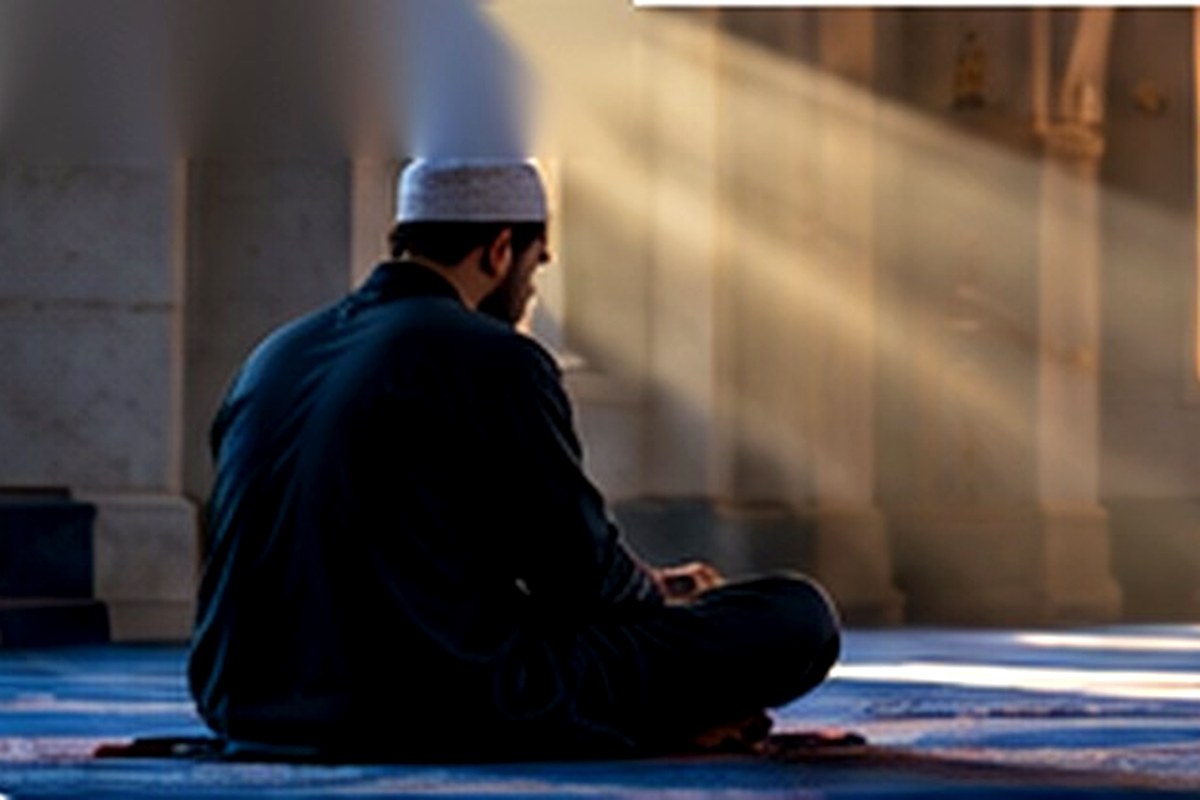
This morning dhikr comes from an authentic narration about Juwayriyah bint al-Harith رضي الله عنها. The Prophet ﷺ left her after Fajr while she was remembering Allah. When he returned later in the morning and found her still there, he taught her four phrases that he had said three times and explained their immense weight.
Arabic
سُبْحَانَ اللَّهِ وَبِحَمْدِهِ، عَدَدَ خَلْقِهِ، وَرِضَا نَفْسِهِ، وَزِنَةَ عَرْشِهِ، وَمِدَادَ كَلِمَاتِهِ
Transliteration
SubhanAllahi wa bihamdihi, ‘adada khalqihi, wa rida nafsihi, wa zinata ‘arshihi, wa midada kalimatihi.
Meaning
Glory and praise belong to Allah, according to the number of His creation, His pleasure, the weight of His Throne and the extent of His words.
The story behind this dhikr
Juwayriyah رضي الله عنها was sitting in her place of worship after the dawn prayer, remembering Allah. The Prophet ﷺ later returned in the forenoon and asked whether she had remained there. When she said yes, he told her about the words he had recited after leaving and described their weight compared with what she had been saying throughout the morning.
The lesson is not that long worship is worthless or that a person should race through remembrance as quickly as possible. The narration shows the virtue of words taught by the Prophet ﷺ and the enormous meanings contained in them.
What the four phrases are teaching you
According to the number of His creation
The praise is connected to a number beyond our ability to count. Creation itself becomes a way of expressing the scale of glorification.
According to His pleasure
You are asking that the praise be in a measure pleasing to Allah, not merely limited by your own words or concentration.
According to the weight of His Throne
The phrase points to magnitude beyond ordinary human measurement and reminds us how limited our scale is.
According to the extent of His words
Allah’s words are not something a human being can exhaust. The phrase expands the meaning of praise far beyond a simple count.
When should it be said?
The narration takes place in the morning after Fajr and records the Prophet ﷺ saying the phrase three times. That makes it well suited to a morning remembrance routine.
Say the dhikr three times after Fajr or during your morning adhkar, then spend a moment thinking about one of the four phrases instead of treating it as a speed exercise.
Why understanding the meaning changes the experience
A person can memorise the Arabic and still miss the scale of what they are saying. Each part moves your attention away from your own small world and towards the greatness of Allah. The more you understand that, the less the dhikr feels like a formula and the more it becomes a deliberate act of glorification and praise.
How to learn this dhikr without rushing it
Because the phrases are repetitive in structure, they can be memorised in four pieces. Learn the opening first, then add one comparison at a time: the number of creation, Allah’s pleasure, the weight of the Throne and the extent of His words. Once the wording is familiar, return to the meaning so that memorisation does not become disconnected from reflection.
The narration gives this dhikr a remarkable virtue, but that should not be turned into exaggerated promises that the hadith itself does not make. Its value comes from the authentic Prophetic wording and the scale of praise contained in it. That is already enough reason to learn it carefully and make it part of a consistent morning routine.
Common questions
How many times should this dhikr be said?
The narration in Sahih Muslim records the Prophet ﷺ saying the four phrases three times.
Does this replace the rest of the morning adhkar?
The hadith establishes the virtue of this dhikr, but it should not be presented as cancelling other authentic morning remembrances. Learn it as one part of a broader source-led routine.
Is the point that a short dhikr is always better than a long one?
No. The narration highlights the special virtue and weight of these Prophetic words. It should not be turned into a general rule that longer worship is inferior.
Related learning
Explore more authentic remembrance in the Du‘a & Dhikr library, or continue with a simple daily Muslim routine.
Primary reference: Sahih Muslim 2726a.