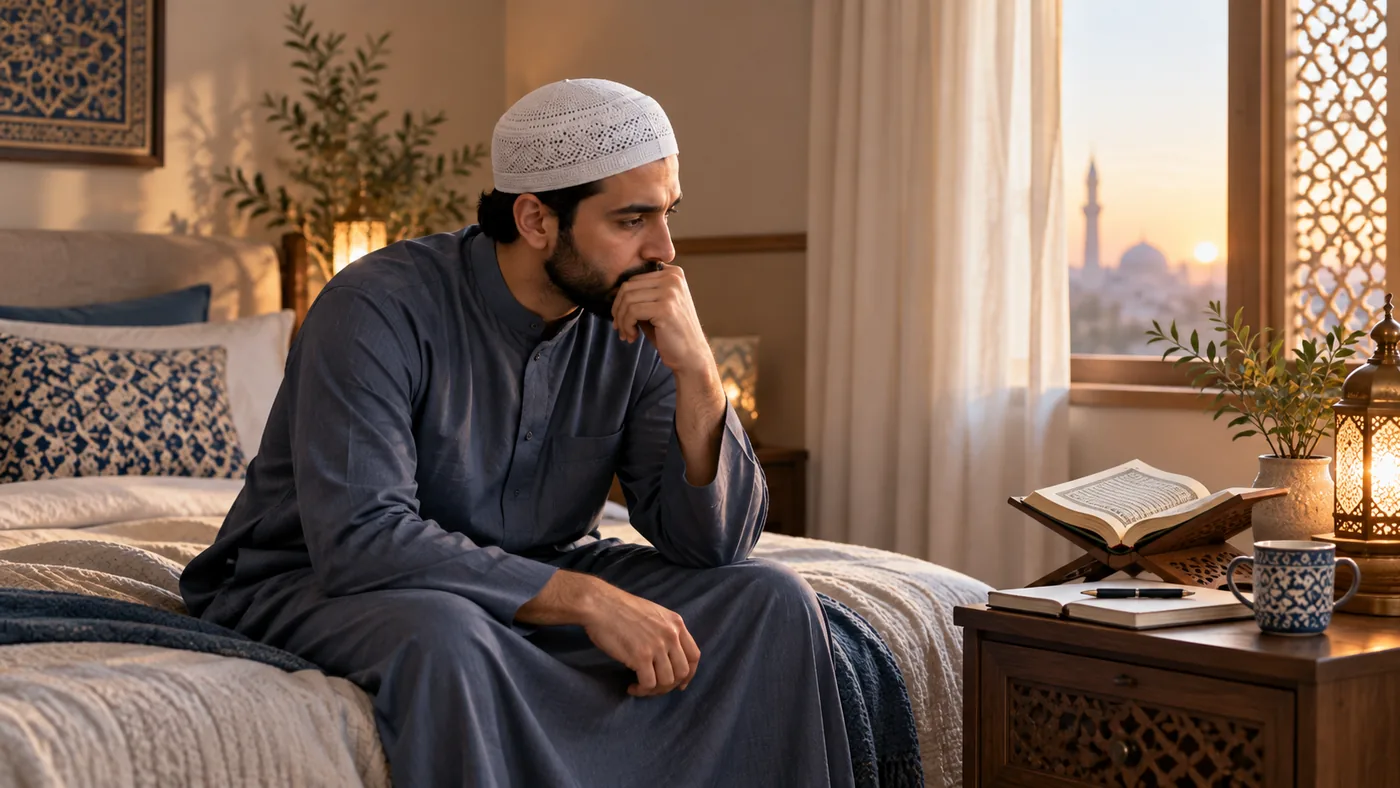
One of the most destructive things a practitioner can say is, “I know who did this to you.” The name may be a relative, former spouse, neighbour or colleague. Sometimes the claim is based on a dream. Sometimes on a patient’s reaction. Sometimes on what a supposed jinn allegedly said during ruqyah.
These claims can permanently damage families.
Knowledge of the unseen belongs to Allah
Qur’an 27:65 states that none in the heavens and earth knows the unseen except Allah. A raqi may have experience. They may recognise patterns. They may suspect ordinary causes. None of that gives them independent access to the unseen.
Can a dream identify the culprit?
Dreams can be good or disturbing, and authentic hadith teach how to respond to them. But a dream is not reliable evidence for accusing another Muslim of sihr. Sahih al-Bukhari 7005 teaches seeking refuge from a disturbing dream, not building an accusation from it.
Can a ruqyah reaction identify a person?
No authentic text says that a patient reacting when a name is mentioned proves that person caused harm. Fear, suggestion, memory and stress can all affect reactions.
What about a jinn naming someone?
Even if a practitioner believes a jinn is speaking, why should an unknown unseen being be treated as a trustworthy witness? Islamic law does not allow serious accusations to be built from an unverifiable voice during an emotionally intense session.
The cost of a false accusation
A daughter stops speaking to her mother. A marriage collapses. Siblings suspect each other. A neighbour is treated as an enemy. The practitioner moves on to the next session while the family lives with the damage.
This is why caution is not weakness. It is protection from injustice.
What should a trustworthy raqi say?
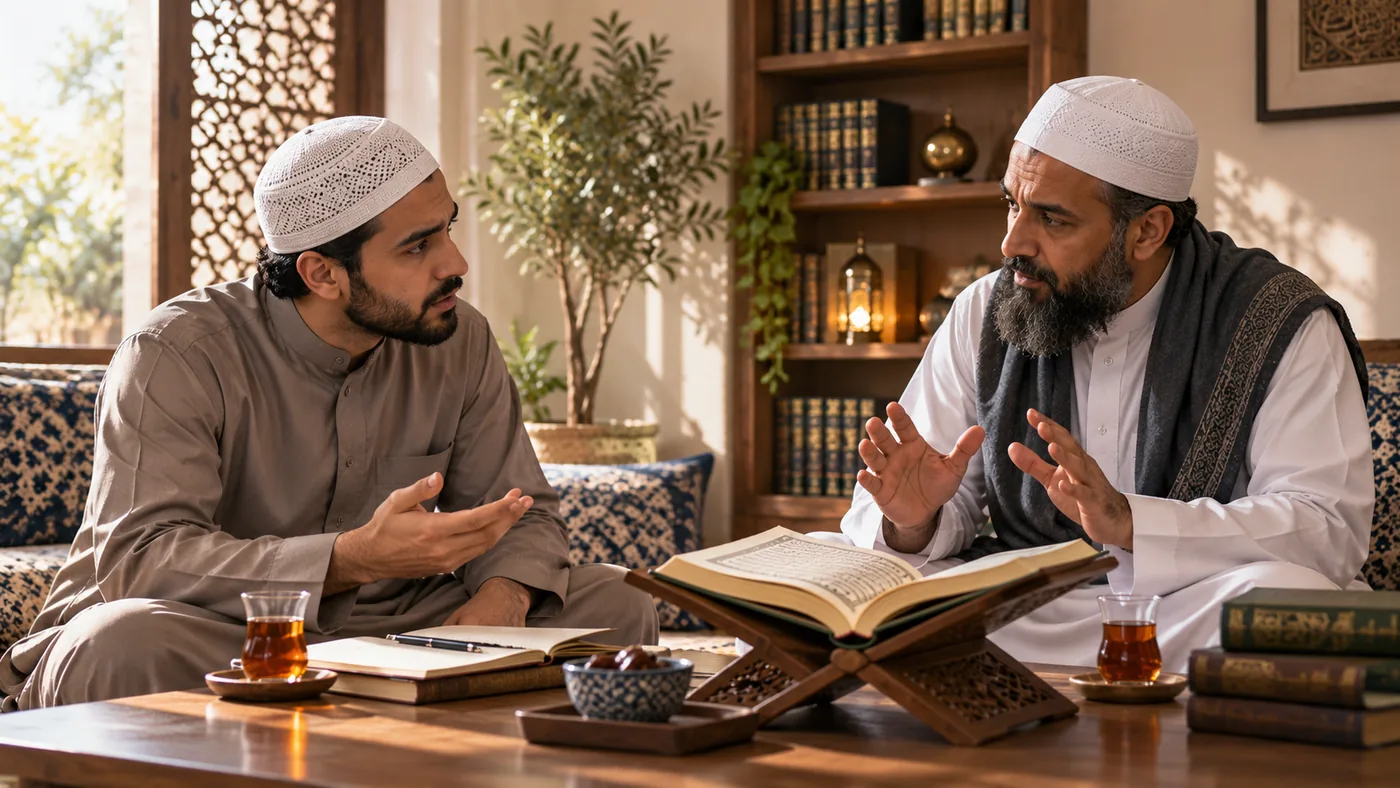
A trustworthy person is comfortable saying, “I do not know who caused this, or whether this is sihr at all. We can use Qur’an and du’a without making an accusation.” That answer may sound less dramatic, but it is more honest.
What if there is actual evidence?
If there is concrete evidence of criminal, occult or threatening conduct, handle the evidence through appropriate religious, family or legal channels. This is different from guessing from symptoms or dreams.
Protect yourself without needing a culprit
You do not need to identify an enemy before reciting ruqyah, maintaining adhkar, praying, making tawbah and using lawful means. Protection is directed to Allah, not built around solving a supernatural mystery.
Why people want a name
When life feels attacked, identifying a culprit can create a sense of control. It gives the fear a face. But that emotional relief can come at the cost of injustice if the accusation is wrong.
Suspicion is not evidence
A relative being jealous, a neighbour asking questions, a marriage proposal failing or someone appearing in a dream may feel suspicious. None of these facts prove sihr. Islam warns against excessive suspicion and against speaking without knowledge.
What if a practitioner says, “I can see it”?
Ask what they mean and what evidence they have. Claims of spiritual sight, secret calculations, mother-name numerology or hidden knowledge are not part of the simple Qur’an and Sunnah method of ruqyah. A confident tone does not create access to the unseen.
What if two practitioners name the same person?
Agreement between practitioners is still not proof if both are using unreliable methods. They may have been given the same family story, asked leading questions or reached the same guess. Serious accusations require more than repeated suspicion.
How to protect family relationships
- Do not repeat accusations to relatives without evidence.
- Do not confront a suspected person because of a dream or ruqyah reaction.
- Keep ordinary boundaries if there are genuine behavioural reasons for them.
- Continue self-ruqyah and adhkar without needing to solve the identity question.
What a responsible practitioner should refuse to do
They should refuse to name an alleged magician, refuse to treat dreams as proof, refuse to pass on supposed jinn testimony and refuse to intensify family suspicion. Their job is to use lawful recitation and du’a, not act as a detective of the unseen.
Justice matters even when you are afraid
Fear does not suspend Islamic ethics. The more serious the accusation, the more careful a Muslim should be. Protecting yourself from possible harm must not become permission to wrong an innocent person.
What if you already confronted someone?
If you accused a person based only on a dream, reaction or practitioner claim, consider repairing the harm. Stop repeating the accusation. If appropriate, apologise for what you said and rebuild boundaries based on actual behaviour rather than unseen claims.
What if the suspicion feels overwhelming?
Limit conversations that keep reinforcing the same theory. Continue lawful protection, focus on observable facts and seek help if fear is affecting sleep, relationships or daily functioning. Obsession with identifying a culprit can become more damaging than the original uncertainty.
Self-ruqyah removes the need for spiritual detectives
You can recite al-Fatihah, the Mu’awwidhat and authentic du’as yourself. You can strengthen prayer, tawbah and adhkar without paying somebody to tell you what is hidden. This keeps dependence where it belongs, upon Allah.
What if the practitioner says the accusation came from Qur’an?
Qur’an recitation does not name your relative as a culprit. If a person claims that a verse, body movement or emotional reaction reveals a specific individual, ask for the authentic evidence establishing that diagnostic method. Without it, the claim remains an interpretation, not knowledge of the unseen.
Keep your response within what you know
You may know that someone has treated you badly, threatened you or acted dishonestly. You can set boundaries because of those known actions. You do not need to add an unprovable sihr accusation in order to protect yourself.
Key sources
- Qur’an 27:65, the unseen belongs to Allah.
- Sahih al-Bukhari 7005 and 7044, response to disturbing dreams.
- Sahih Muslim 2200, ruqyah is permitted when free of shirk.
Where an article discusses interpretation, diagnosis or medical safety, those points are separated from what the Qur’an and authentic Sunnah explicitly establish.
Related: Fake Raqis and Ruqyah Scams and Sihr in Islam.