

Wudu prepares you for prayer
Wudu is ritual purification performed with water before salah and certain other acts of worship. Qur’an 5:6 mentions washing the face and arms, wiping the head and washing the feet. Authentic hadith describe the Prophet’s ﷺ wudu in more detail.
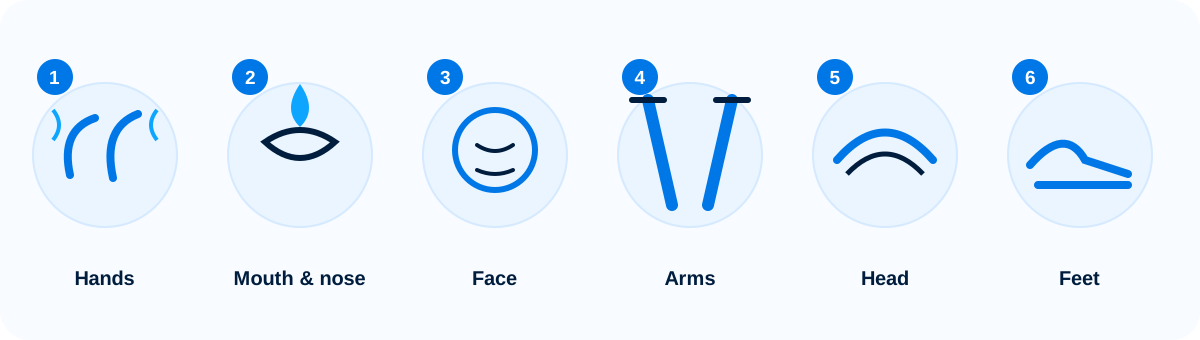
Before you start
Make the intention in your heart to perform wudu for purification. Say Bismillah according to the guidance you follow. Use clean water and avoid wasting it.
Step 1: wash the hands
Wash both hands, including between the fingers. The description of ‘Uthman’s wudu in Sahih al-Bukhari 159 begins with washing the hands three times.
Step 2: rinse the mouth and nose
Rinse the mouth, then gently take water into the nose and expel it. If you are fasting, be careful not to exaggerate when drawing water into the nose.
Step 3: wash the face
Wash the whole face, from the normal hairline to the chin and from ear to ear. Make sure water reaches the required area rather than only splashing the centre of the face.
Step 4: wash the arms to the elbows
Wash the right arm and then the left, including the elbows. Rings, watches or anything tight should not prevent water reaching the skin that must be washed.
Step 5: wipe the head
With wet hands, wipe the head. This is a wipe, not another full wash. Details of how the ears are included can be learned from a reliable wudu demonstration.
Step 6: wash the feet to the ankles
Wash the right foot and then the left, including between the toes and around the ankles. Dry heels are a common mistake, so be deliberate.
Do I need to wash everything three times?
The hadith of ‘Uthman describes washing many parts three times, while wiping the head is described differently. The legal minimum and preferred repetitions have details in fiqh. As a beginner, following a reliable demonstration of the prophetic wudu is a sound way to learn.
What breaks wudu?
Common nullifiers include using the toilet and passing wind. Other matters have detail and some differences of opinion, such as certain types of physical contact or bleeding. If you have a recurring medical issue or an unusual situation, ask a qualified scholar rather than applying a general internet list to yourself.
Common mistakes
- Leaving parts dry, especially heels or elbows.
- Washing very quickly without ensuring water reaches the area.
- Using much more water than necessary.
- Turning wudu into a source of obsessive doubt by repeating it without reason.
- Learning only from an infographic without understanding what is obligatory and what is recommended.
What if water cannot be used?
Islam includes tayammum in situations where water is unavailable or its use is genuinely harmful, with conditions and details. This guide focuses on normal wudu. If you need tayammum because of illness or lack of water, use a reliable dedicated guide or ask someone qualified.
Make wudu a reset
Wudu can easily become mechanical because we repeat it often. Try to treat it as preparation to stand before Allah. Slow down enough to do it properly, then move into prayer without getting distracted by your phone or other tasks.
- Qur’an 5:6, purification before prayer.
- Sahih al-Bukhari 159, ‘Uthman’s description of the Prophet’s ﷺ wudu.
- Sahih Muslim 226a, another detailed description of wudu.
Wudu and obsessive doubt
Some people begin repeating wudu because they are never sure it “counted”. This can become exhausting. Learn the required steps, perform them properly and do not restart because of baseless doubt. If obsessive religious doubt is becoming severe, seek both knowledgeable religious guidance and appropriate mental health support.
Wudu with injuries or medical needs
Bandages, casts, wounds and medical devices can change how purification is performed. These are exactly the situations where a general beginner guide should stop and qualified advice should begin. Do not harm yourself trying to imitate a standard demonstration.
How much water?
Wudu does not require flooding the sink. Use enough water to wash properly while avoiding waste. This is especially important in places where water is scarce, but moderation is a good habit everywhere.
Teaching children wudu
Use the same fixed sequence each time. Let them practise without turning every missed spot into a lecture. A visual guide near the sink can help until the order becomes natural.
After wudu
Move towards prayer while the sense of preparation is still present. If possible, avoid finishing wudu and immediately falling back into a long scroll or unrelated distraction. Let purification lead into worship.
The Qur’anic foundation of wudu
Qur’an 5:6 gives the central actions of purification before prayer: wash the face, wash the arms to the elbows, wipe the head and wash the feet to the ankles. The Sunnah gives further practical detail, including washing the hands, rinsing the mouth and nose and the manner in which the Prophet ﷺ performed wudu.
A complete beginner sequence
- Make the intention in your heart. You do not need a spoken formula for the intention.
- Say Bismillah.
- Wash both hands. Wash to the wrists, making sure water reaches between the fingers.
- Rinse the mouth and nose. Use water comfortably without harming yourself.
- Wash the face. Water should reach the whole face within its normal boundaries.
- Wash the right arm and then the left. Include the elbows.
- Wipe the head. This is wiping, not washing.
- Wash the right foot and then the left. Include the ankles and between the toes.
The report of ‘Uthman رضي الله عنه in Sahih al-Bukhari 159 gives a clear description of the Prophet’s ﷺ wudu.
Once, twice or three times?
The obligatory washed areas must be properly washed. The Sunnah includes washing some parts up to three times. Do not turn “three” into endless repetition. Wudu should not become a ritual of doubt. If the limb has been washed properly, move on.
What commonly breaks wudu?
Passing urine, stool or wind breaks wudu. Deep sleep or loss of consciousness can also affect wudu. Other issues, including bleeding, touching the opposite sex and some details around bodily discharge, are areas where the schools of Islamic law may differ. A beginner does not need to panic when they discover legitimate differences. Follow a reliable scholarly framework and avoid repeatedly restarting wudu because of uncertainty.
Doubt after finishing
A useful principle in Islamic law is that certainty is not removed by mere doubt. If you know you completed wudu and later wonder, “Maybe I broke it,” do not treat a vague possibility as certainty. This is especially important for people prone to obsessive doubt.
Wudu with injury, illness or difficulty
Islamic law contains concessions for illness and situations where water is harmful or unavailable. Qur’an 5:6 itself mentions tayammum. The exact ruling can depend on the condition, dressings and ability to wash, so ask a knowledgeable person when an injury is significant rather than causing harm to complete a normal wash.
Water use
Wudu is worship, not a reason to waste water. A running tap at full power is unnecessary. Use enough to wash properly while keeping the act calm and deliberate.
Common mistakes to correct
- Missing the elbows or ankles.
- Rushing so quickly that dry areas remain.
- Using nail products or barriers that prevent water reaching the required area.
- Repeating each action far beyond what is needed because of doubt.
- Treating recommended details as though missing one invalidates the entire wudu.
Key sources
- Qur’an 5:6, the command of purification.
- Sahih al-Bukhari 159, ‘Uthman’s description of Prophetic wudu.
- Sahih Muslim 224a, prayer is not accepted without purification.
Next lesson: How to Pray step by step.
What is required and what is Sunnah?
Beginners can become anxious because every detail in a long demonstration appears equally essential. The Qur’anic obligations form the core, while the Sunnah gives the fuller Prophetic manner. Learning the difference helps you value recommended acts without believing every missed Sunnah invalidates purification.
Wudu should not feed waswasah
If wudu begins taking twenty minutes because you repeatedly wash, restart and inspect every drop of water, the answer is not to keep obeying the doubt. Learn the required actions, perform them properly and move forward. Persistent obsessive doubt may also need mental-health support when it spreads beyond worship.
Wiping over footwear and other concessions
The Sunnah establishes concessions such as wiping over khuffs under conditions, and jurists discuss how those rules apply to modern footwear. If you need a concession, learn its conditions from a reliable source rather than improvising.
Cleaning after the toilet is related but separate
Removing physical impurity after urination or defecation is not itself the same as wudu. A person cleans themselves as required and then performs ritual purification for prayer.